


list/tuple的串接:
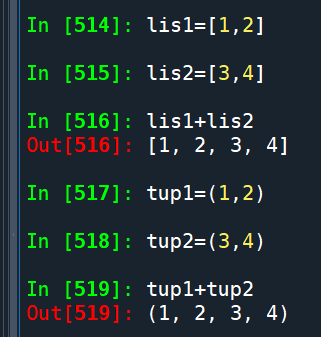
# tup1+tup2 串接為新的tuple
# tup1 tup2都沒變動
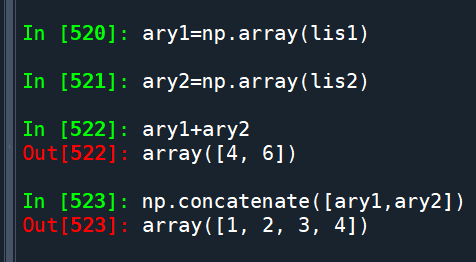
但對ndarray做加法運算
不是串接的意思
而是逐元素相加
需使用 np.concatenate([ary1,ary2])
#不要忘記()中的[]
#np.concatenate() 使用list當作參數
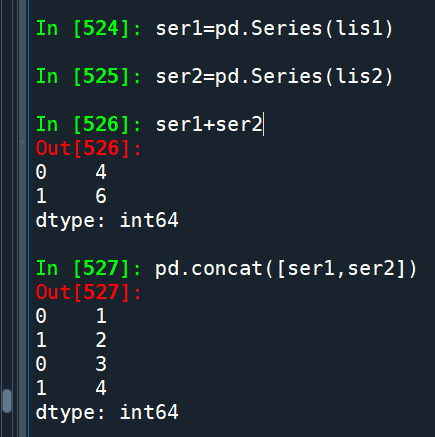
Series類似ndarray
只是多帶index而已
推薦hahow線上學習python: https://igrape.net/30afN
pd.concat([ser1,ser2], axis=1 )
可以讓兩個Series做橫方向的串接
但是對於1D array則不行:
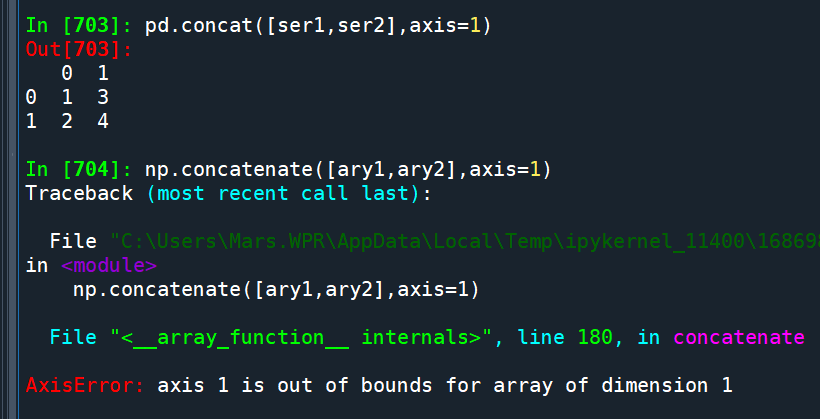
先使用np.expand_dims()
擴展array的維度:
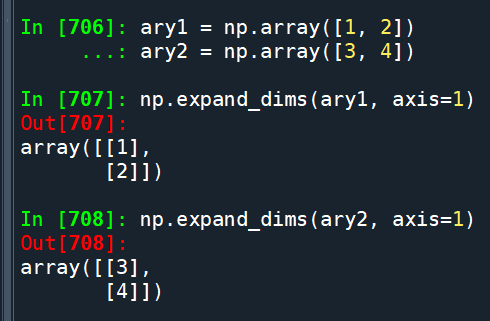
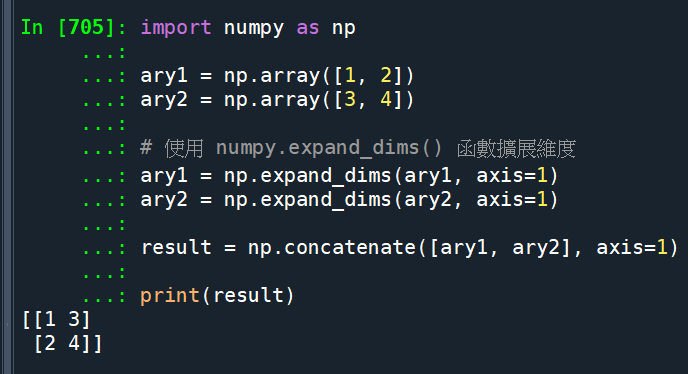
對擴展維度後的array
才能使用參數 axis=1
推薦hahow線上學習python: https://igrape.net/30afN


![Python TQC考題610 平均溫度,不要自找麻煩用2D list做,可練習2D轉1D: 一維串列.extend(二維串列[index])](https://i2.wp.com/savingking.com.tw/wp-content/uploads/2022/05/20220515192908_35.png?quality=90&zoom=2&ssl=1&resize=350%2C233 "Python TQC考題610 平均溫度,不要自找麻煩用2D list做,可練習2D轉1D: 一維串列.extend(二維串列[index])")


![Python: 如何在pandas.read_csv() or pandas.read_excel() 中使用keep_default_na =False , na_values =[] 保留文件中的原始“NA”?](https://i2.wp.com/savingking.com.tw/wp-content/uploads/2024/05/20240530215737_0.png?quality=90&zoom=2&ssl=1&resize=350%2C233 "Python: 如何在pandas.read_csv() or pandas.read_excel() 中使用keep_default_na =False , na_values =[] 保留文件中的原始“NA”?")


近期留言